Canada-China Trade Pact: What Carney and Xi Announced
Canada-China Trade Pact: What Carney and Xi Announced
Canada is opening a new trade channel with China as U.S. tariffs create uncertainty for Canadian exporters. Prime Minister Mark Carney and Chinese President Xi Jinping announced a Canada-China trade pact ahead of the Asia-Pacific Economic Cooperation (APEC) Summit, according to The New York Times Source 7.
The announcement comes as U.S. tariffs under President Donald Trump increase pressure on Canadian industries, particularly automotive manufacturing. Carney is examining economic relationships beyond Canada’s traditional dependence on the United States, while China is offering new trade concessions as Ottawa seeks greater flexibility in global commerce Source 5.
The central question is whether the pact is a limited commercial arrangement or the beginning of a broader reset in Canada-China relations. Available reporting confirms the announcement and a planned reduction in tariffs on Canadian seafood, but it does not disclose the agreement’s complete terms, value, implementation date, or wider sector coverage.
What Carney and Xi Announced
Reported Terms
The New York Times reported that Carney and Xi announced a trade pact between Canada and China Source 7. JournalArta separately reported that the two countries agreed to reduce tariffs on Canadian seafood [Source 3](https://news.google.com/rss/articles/CBMifkFVX3lxTE8z b0Z5aml4clhBcVZMbGdsa2dNWmxIOFA0NmN5WkZ1YlhqaGNOd0NBOVhJcFR1TGZVcS1YZ2JvaWhzU2pwYV9RdEVta0p5SnZ3VjJoWUh5QWtrNjhLakxCZl9Ra0lUUFBFMm9LMGJ2US03UGFSVldSVTFESFpwUQ?oc=5).
The available summaries establish three points:
- Canada and China announced a trade pact.
- China agreed to reduce tariffs on Canadian seafood, according to JournalArta.
- The broader terms remain undisclosed.
The pact should not yet be described as a comprehensive free-trade agreement. No supplied source confirms its total value, covered products, tariff reductions, or new market-access rights beyond seafood.
What Remains Unknown
The reporting does not identify the seafood products affected, the size of the tariff reductions, or when they will take effect. It also does not state whether Canada made concessions or whether the pact includes quotas, licensing rules, inspection procedures, dispute-resolution mechanisms, or enforcement penalties.
Those details will determine the agreement’s practical value. Lower tariffs may have limited impact if exporters still face restrictive quotas, lengthy inspections, licensing barriers, or uncertain customs treatment. The announcement is therefore best treated as an important diplomatic and commercial development, not yet as a complete transformation of Canada-China trade.
Why the Pact Matters for Canada
Reducing Dependence on the United States
Canada’s economy is closely connected to the United States through trade, investment, manufacturing, energy, agriculture, and integrated supply chains. That relationship provides scale and proximity but exposes Canadian businesses to policy changes in Washington.
Carney’s interest in China reflects an effort to explore alternatives. Firstpost described China as offering new trade concessions while the Canadian prime minister seeks broader economic partnerships Source 5.
Diversification can give exporters more destinations, reduce exposure to a single government’s trade decisions, and strengthen Ottawa’s negotiating position. However, China cannot quickly replace the United States. The markets differ in geography, regulation, infrastructure, consumer demand, and political conditions.
The pact’s immediate importance may therefore be strategic rather than transformational. It signals that Canada is willing to pursue alternatives when U.S. trade policy creates uncertainty.
Pressure on the Automotive Industry
U.S. tariffs are putting pressure on Canada’s car industry, according to the supplied reporting Source 9. Vehicles and components often cross borders multiple times during production, making the sector especially sensitive to tariff changes.
Trade uncertainty can affect employment, investment, supplier contracts, and production locations. However, the available sources do not confirm that the Canada-China pact includes automotive provisions. Seafood tariff reductions should not be presented as direct relief for automakers.
Why China Is Offering Concessions
China may have commercial and diplomatic reasons to strengthen ties with Canada. Trade concessions can improve access to Canadian goods while creating conditions for wider negotiations. Possible objectives include gaining access to Canadian commodities, improving bilateral relations, and strengthening ties with a close U.S. ally during a period of trade tension.
These are possible interpretations, not confirmed terms. The supplied sources do not provide statements from Chinese officials explaining Beijing’s goals.
Lower seafood tariffs could improve the competitiveness of Canadian fish and seafood in China, potentially benefiting fishing communities, processors, wholesalers, and shipping companies. The impact will depend on the products covered, customs procedures, certification requirements, inspections, and eligibility rules.
No supplied source identifies the tariff rates before or after the agreement, the affected export volume, or the value of the concessions. Economic gains should not be estimated until official tariff schedules and product lists are published.
The Asia Summit Setting
The announcement comes ahead of an APEC Summit scheduled for October 29, 2025, according to the supplied reporting. Before the summit, Carney and Trump maintained a cordial tone during a dinner despite wider political and trade tensions Source 1.
Canada is managing its relationship with Washington while deepening engagement with Beijing. The cordial dinner demonstrates continued diplomatic engagement but does not prove that tariff disputes have been resolved or that Washington accepts every element of Canada’s China policy.
Canada must pursue Chinese trade opportunities without undermining its close economic and security relationship with the United States. Washington could assess the pact through the lenses of supply-chain security, strategic competition, rules of origin, and possible indirect access for Chinese goods to North American markets.
For now, the pact indicates an attempt to expand Canada’s commercial options, not necessarily a shift away from Washington.
Potential Benefits and Risks
The clearest potential benefit is lower tariffs on covered Canadian seafood products. If implemented effectively, the reductions could improve exporters’ prices in China and encourage companies to develop new distribution relationships.
Actual benefits will depend on predictable customs treatment, workable regulations, shipping capacity, payment systems, and sustained consumer demand. A tariff reduction alone does not guarantee higher sales.
The pact may cover only a narrow range of goods. Non-tariff barriers, including inspections, quotas, licensing rules, labeling requirements, and changing standards, could offset the benefit of lower duties. Political tensions could also affect market access after the agreement is implemented.
The pact may attract scrutiny in Washington. The supplied sources do not confirm any U.S. response or planned retaliation, so none should be assumed.
What to Watch Next
The most important next step is publication of the official documents. Businesses and analysts need the joint statement, tariff schedules, product lists, implementation timetable, rules of origin, and dispute-resolution provisions.
Canadian and Chinese statements should be compared carefully. Differences in wording may show whether the governments view the announcement as a binding agreement, a framework, or a political commitment.
Observers should also track statements from the Trump administration and U.S. trade officials, along with responses from Canadian seafood exporters, fishing associations, processors, automakers, investors, and logistics companies. Long-term significance will depend on export orders, investment decisions, customs data, and evidence that companies can use the promised market access.
Conclusion
Carney and Xi have announced a Canada-China trade pact before the Asia-Pacific summit. The only specific concession identified in the available reporting is a reduction in tariffs on Canadian seafood. The pact’s full scope, value, implementation date, legal status, and coverage of other sectors remain unclear.
The agreement forms part of Canada’s effort to diversify trade as U.S. tariffs pressure Canadian industries, including automotive manufacturing. It may create opportunities for exporters and give Ottawa more negotiating flexibility.
For now, the pact is best understood as a strategic opening rather than a complete trade reset. Its significance will depend on the tariff schedule, covered products, enforcement rules, non-tariff requirements, Canadian concessions, and response from Washington.
Frequently Asked Questions
What trade pact did Mark Carney and Xi Jinping announce?
The supplied sources report that Canada and China announced a trade pact, but they do not provide its full terms, economic value, implementation date, or complete list of covered products Source 7.
Did China reduce tariffs on Canadian seafood?
JournalArta reported that Canada and China agreed to reduce tariffs on Canadian seafood [Source 3](https://news.google.com/rss/articles/CBMifkFVX3lxTE8z b0Z5aml4clhBcVZMbGdsa2dNWmxIOFA0NmN5WkZ1YlhqaGNOd0NBOVhJcFR1TGZVcS1YZ2JvaWhzU2pwYV9RdEVta0p5SnZ3VjJoWUh5QWtrNjhLakxCZl9Ra0lUUFBFMm9LMGJ2US03UGFSVldSVTFESFpwUQ?oc=5). The source summary does not specify the products covered, the size of the reductions, or when they will take effect.
Why is Canada seeking closer trade ties with China?
Canada is exploring broader economic relationships as U.S. tariffs pressure Canadian industries, including the automotive sector Source 9. Diversification could reduce dependence on the U.S. market, although China cannot quickly replace the United States.
How could the agreement affect Canada’s automotive industry?
The sources connect Carney’s China strategy to pressure from U.S. tariffs on Canada’s car industry, but they do not confirm that the pact includes automotive provisions. Any direct benefit for automakers requires further details.
Could the pact create tension with the United States?
It could attract scrutiny because Canada and the United States are closely linked economically, while Washington and Beijing face wider trade and strategic tensions. The available sources do not confirm any U.S. response or planned retaliation.
What details will determine whether the pact is significant?
The key details are the tariff schedule, covered products, implementation date, enforcement rules, non-tariff requirements, Canadian concessions, and legal status. These factors will show whether the announcement represents a limited concession or a broader shift in Canada-China economic relations.
Related Articles
-
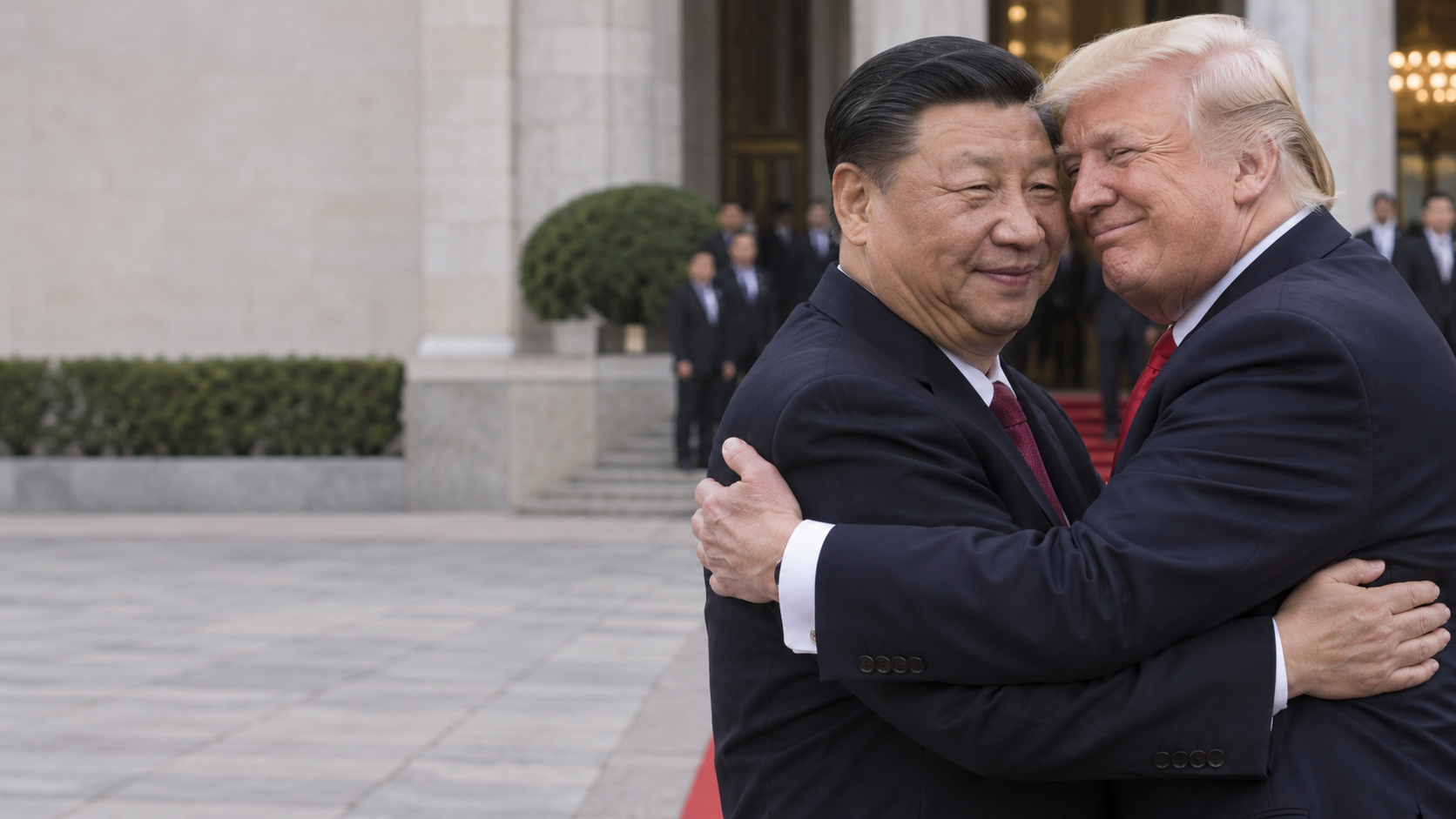 Xi Jinping Reportedly Hugs Trump Ahead of Summit
-
 Trump Projects Strength on China as Tech Failures Raise Concerns
-
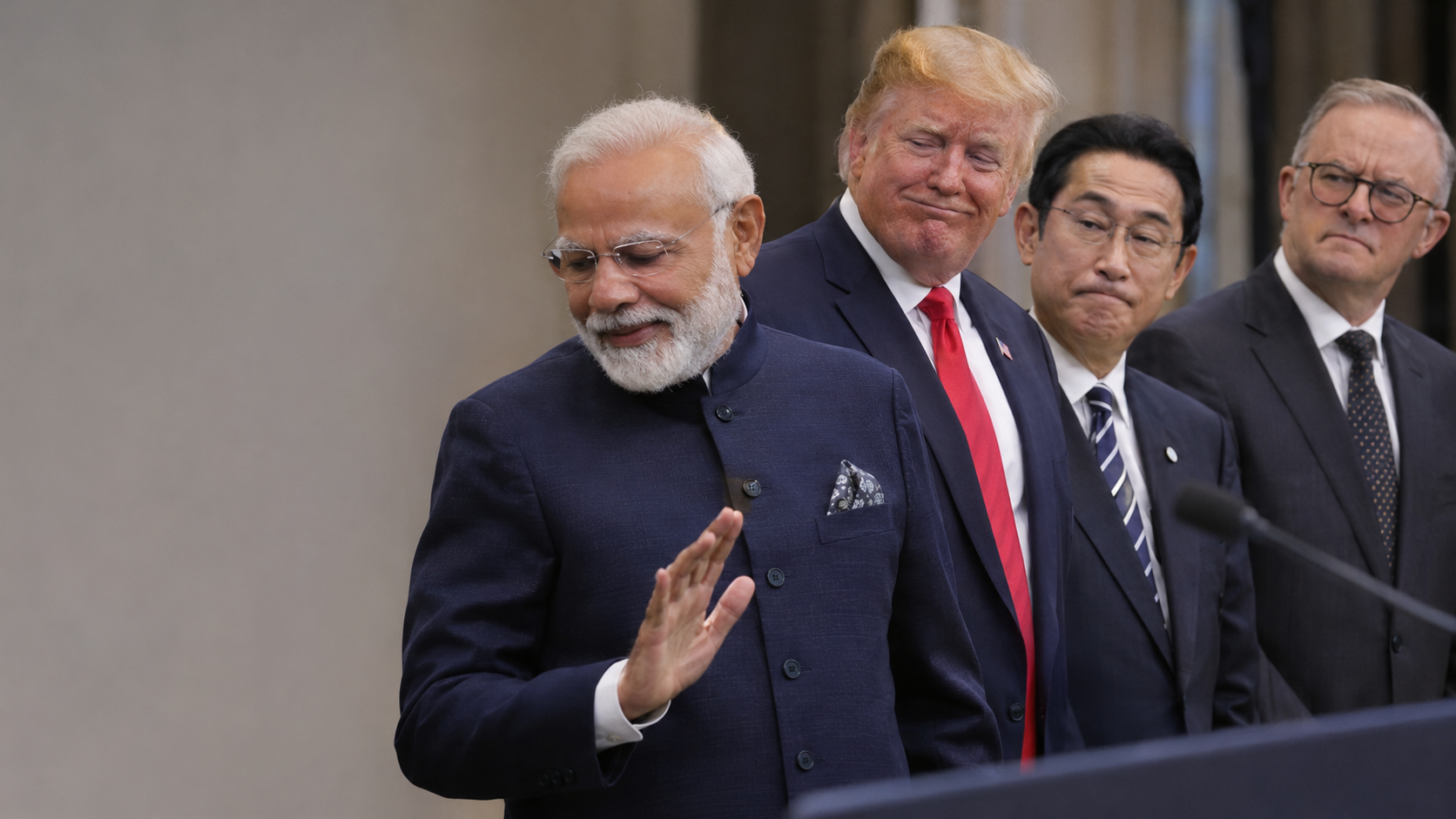 Modi, Trump Awkward Quad Photo-Op: What Footage Shows
-
 Ukraine Seeks Air Defense as Peace Talks Narrow
-
 Oversight Democrats Signal Scrutiny of Trump Allies
-
 Chiquita Canyon Landfill Trash Geyser Raises Health Concerns
-
 Mary Peltola and Alaska's Senate Balance: Fact-Check
-
 Rubio Says No Evidence Links Recent Tech Outages
-
 Reported Iran Attacks on Kuwait and Bahrain Escalate Gulf Crisis
-
 APEC Summit: Xi-Putin Talks and Trump-Kim Signals
-
 Ukraine’s Reported Strike on the Kerch Bridge
-
 American Soldier in UK Taken Into US Military Custody
-
 Mary Peltola Did Not Defeat Dan Sullivan
-
 Rubio: No Evidence Linking U.S. Outages to Malign Actor
-
 Kelly Challenges Hun Cao’s Navy-Ship Food Analogy
-
 White House Withdraws Heidi Overton FDA Nomination